ORBIT2D
Survive · Build · Discover
Something on the ridge has been transmitting since before you crashed.
A survival colony game you play with one finger. Tap the rock to dig, tap a spot to build, then seal and heat a base underground, power it with a sulfur generator, grow and cook your own food, and take a crew of two through thirty ranks of upgrades and talents. Nine objectives and nine recovered log entries tell you what is out there — and the ending reads your own colony back to you. Free, runs in your browser, saves as you go.
Begin expedition
New expedition
Score on
Generated live — no audio files, nothing to download.
Generating survey…
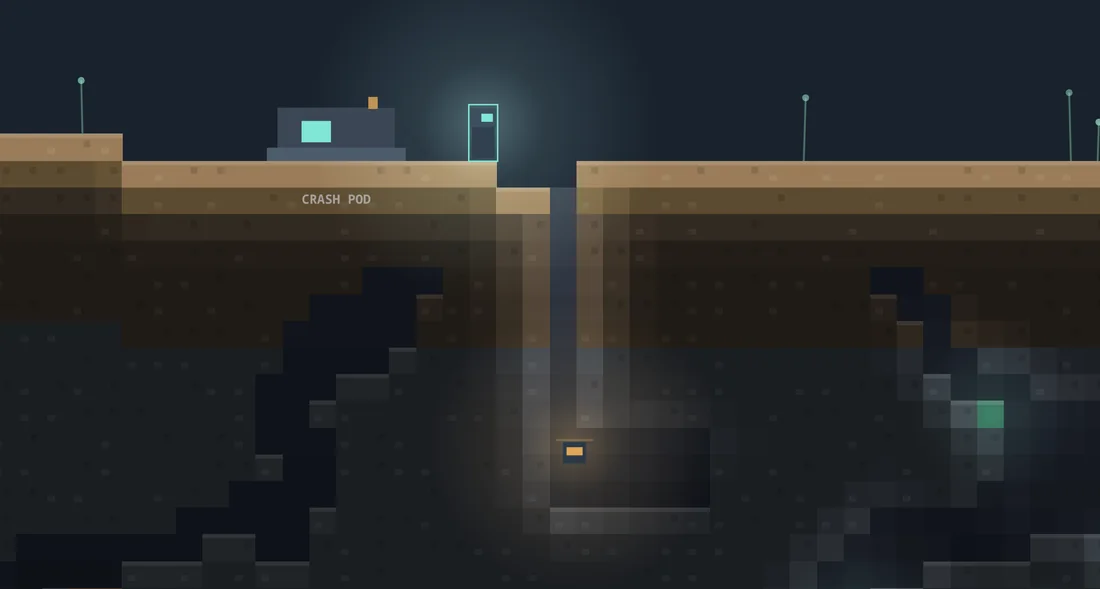
survey
20worlds
30ranks
9objectives
3endings
Dig down. Build a room that holds heat. Find out what is calling.
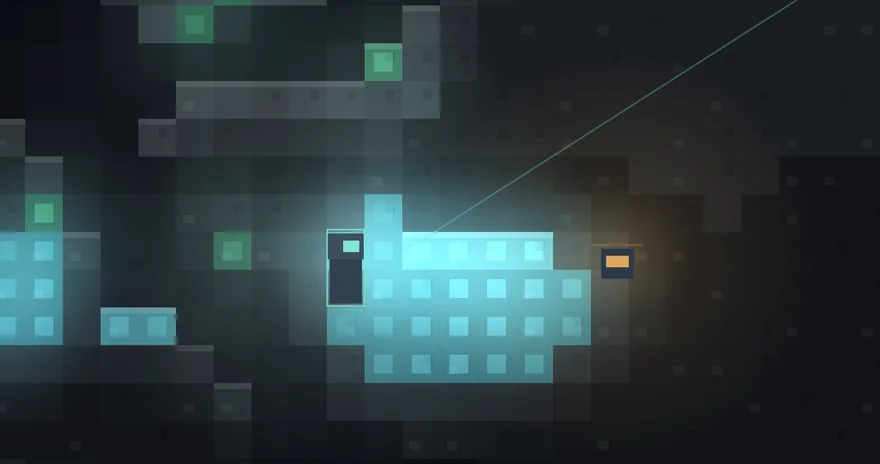
Tap the rock, and it gets mined
You give orders, not keystrokes. Drag across a seam and the crew works the whole run while you plan the next shaft. Fifteen materials, strata down to 44 m, caves, brine and magma below.
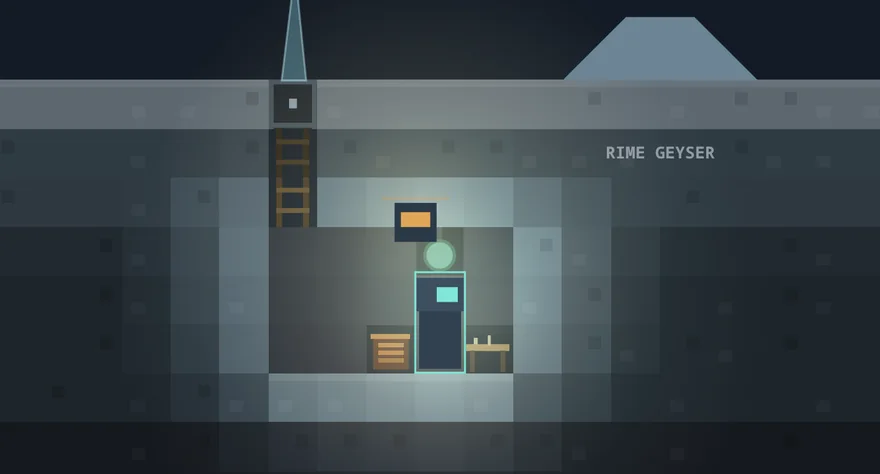
−72 °C outside. Seal a room anyway
Wall it, roof it, fit a hatch, light it and heat it — then power it with a sulfur generator, grow food in a planter and cook it in a galley. Warmth is something you build, not a stat you buy.
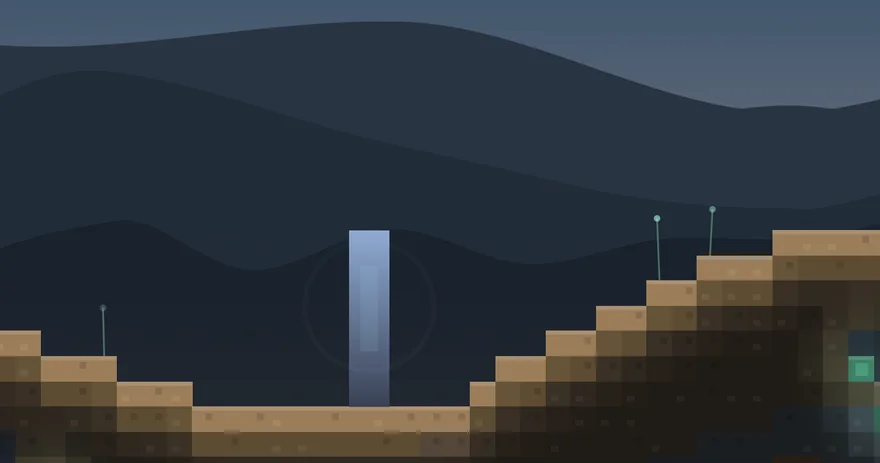
The ridge has been counting
Nine objectives, nine log entries and a monolith at the end of them. It does not lecture you — it measures what you dug, built and never built, names what kind of colonist you were, and asks a question with three answers and no correct one.
Begin expedition
Nothing to install. It saves in this browser and keeps running for four hours while you're away.
Or take it with you — Orbit2D for Android
The whole game in a 875 KB app. Plays offline, no ads, no accounts, no tracking.
Get the app
Twenty worlds, each with its own base
Choose a world — every seed has its own layout, save slot and rank
Your colony
Optional — carry your worlds between devices
Colony Key
Orbit2D saves in the browser you play in, which is fine until you clear it or pick up a phone. A Colony Key is a code the game makes for you — no email, no password, nothing to remember — that keeps your worlds on the server as well, so the same colony opens anywhere you sign in. It is entirely optional; nothing changes if you ignore it.
Create a Colony Key
Sign in
No password, no tracking, no newsletter. The server holds your worlds, your colony name and — if you give one — an address to post a replacement key to.
The Deep Charter
Optional — one payment, no subscription, no advantage
The Deep Charter£4.99
one off · yours forever
Every part of Orbit2D that exists today stays free, forever — all twenty worlds, thirty ranks, twelve talents, nine objectives and every ending. The Charter adds things beside the game; it never takes anything out of it, and nothing in it makes you dig faster, build cheaper or level quicker.
- Ten more worlds — Tidehold to The Long Room, own seeds and save slots
- Five suit colourways — rime, ash, basin, fault, signal
- Three drone finishes — survey white, copper, night unit
- Name your colony — it appears on landing and in your ending
- A charter mark — on the title screen, quietly
- It funds the next round — one person builds this
Get the Charter — £4.99
Redeem code
You pay, you get a code by email, you type it in once — and the game keeps working offline afterwards. No account is needed. If you do make a Colony Key above, the Charter attaches to the colony instead of to this browser, and follows you everywhere you sign in.
Under the hood
Build—
Developerorbited.co
Enginesingle-file HTML canvas · no dependencies
World—
Systemsenvironment · building · shelter · power · food
Story—
Worlds—
Progress—
Controlsone finger, no keyboard
Savingautosaves in this browser · optional colony sync · 4 h of offline upkeep
Tell the developer
One person makes this — what broke, what dragged, what you liked
Bug
Idea
Too hard
Loved it
Your world, level and build number are attached.
Send
Dev log ·
Keyboard build ·
Android app ·
First prototype
Made by orbited.co · runs entirely in your browser, nothing is uploaded
Made by orbited.co · runs entirely in your browser, nothing is uploaded